Planning a corporate event in Bali can be an opportunity to do much more than move meetings, presentations, and dinner into a tropical setting. Memorable experiences with a clear business goal can be felt in such a beautiful destination.
The retreat design has to be based on the educated session rather than just a conventional gathering. The best corporate events in Bali still have a clear idea while collaborating with the destination's nuances and good programming. There are eight formats to be adapted so the business goal can be reached successfully.
Start with Business Objectives
The desired outcome might require different experiences from the clients. The engagement event must give opportunities for recognition and participation in sharing experiences. Team activities will engage the team to get involved rather than just sit and listen.
Customer relationship events need a different approach. Taking care of personal experience thoughtfully, better than just an ordinary setting, is working very well.
Brand awareness requires consistency. Every component is the face of the company. Leadership alignment calls for privacy, structure, and enough time for meaningful discussion. The executive wants to have a great talk without getting interrupted by a formal rundown. Product education benefits from interaction.
Networking requires intentional design. The objective should therefore determine the event architecture. Once that is clear, creative decisions become easier to evaluate.
8 Creative Corporate Event Formats for Bali
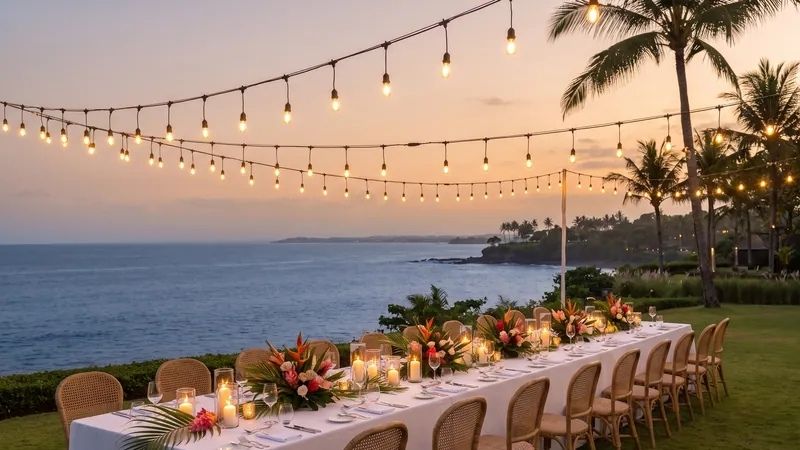
Leadership Retreat
Best suited for:
Executive teams, senior management, founders, and leadership groups.
Why it works:
Bali offers a natural change of environment, which can help a leadership team separate strategic discussions from day-to-day operational concerns.
Creative opportunity:
The best experience is to be able to focus on both formal discussion and an informal environment. The workshop strategy can be done with cultural experience, small group outdoor discussion.
Execution consideration:
Privacy and scheduling matter more than novelty. The participant needs to have a non-formal time to discuss and decide naturally.
Experiential Conference
Best suited for:
Industry conferences, partner gatherings, professional communities, and companies introducing major themes or initiatives.
Why it works:
An experiential format connects the experience and content. It allows the environment and programming to reinforce the messages being presented.
Creative opportunity:
Build the conference around a central narrative. Create themed spaces where attendees can explore different aspects.
Execution consideration:
Creativity should never compromise content delivery. The concept becomes a distraction rather than an enhancement.
Brand Immersion Day
Best suited for:
Product launches, brand campaigns, internal brand education, and companies entering new markets.
Why it works:
A brand immersion event allows attendees to experience the company's identity through multiple senses.
Creative opportunity:
Use Bali as part of the storytelling rather than simply as the backdrop. Balinese culinary, culture, and environment are better integrated with the company's identity to make a distinction.
Execution consideration:
Elements of culture must be purposely incorporated with respect. Superficial decoration can feel forced.
Interactive Gala Dinner
Best suited for:
Employee awards, corporate milestones, annual event.
Why it works:
A gala dinner provides a naturally social setting. Interactive programming gives guests reasons to stay engaged.
Creative opportunity:
Consider immersive table concepts, audience-driven entertainment, or interactive performances built around the company's people.
Execution consideration:
Do not fill every minute with programmed entertainment. Guests also need time to eat and talk. A successful gala balances spectacle with breathing room.
Client Appreciation Experience
Best suited for:
Key accounts, strategic partners, investors, and high-value customers.
Why it works:
A genuine and honest appreciation event is more effective for clients. Bali is the best place to make it exclusive but not too formal either.
Creative opportunity:
A culinary experience, cultural activity, or small-group program can give something memorable with the relationship.
Execution consideration:
Guest profiling is essential. Build the experience around the comfort, interests, and expectations of the actual guest list.
Team Challenge or Collaborative Experience
Best suited for:
Employee engagement, team building, onboarding groups, and cross-department collaboration.
Why it works:
Teams often learn more about one another when solving a problem together. It is better than attending a conventional motivational session.
Creative opportunity:
Teams might create a solution or complete a timed creative task. It solves a destination-based challenge or works through a scenario requiring different skills.
Execution consideration:
Competition needs boundaries. Good design creates multiple ways to contribute.
Outdoor Networking Event
Best suited for:
Industry networking, partner events, informal client gatherings, and community-building programs.
Why it works:
Outdoor settings can make networking feel less formal and encourage conversations.
Creative opportunity:
Structure the event around different social zones. Guests might move between culinary stations or conversation areas.
Execution consideration:
An outdoor concept can be uncomfortable if guests are exposed to excessive heat, rain, or difficult conditions.
Hybrid Content-and-Experience Format
Best suited for:
Companies with remote participants, international audiences, product education, or events that need both business content and destination experiences.
Why it works:
A hybrid structure allows the in-person group to benefit from the destination while remote participants remain part of the core program.
Creative opportunity:
Interactive Q&A, remote networking sessions, live demonstrations, and shared digital activities can connect both audiences.
Execution consideration:
Camera positions, audio quality, internet redundancy, speaker movement, and remote engagement should be designed into the production plan.
Matching the Event Format to Your Audience
It is not just about the business goals but also about the attendance. An executive retreat may work exceptionally well for a group of 15 senior leaders but become inefficient for several hundred employees.
Start by examining group size, seniority, cultural background, mobility, familiarity with one another, and expectations around formality. International guests may also have different preferences regarding food, timing, transportation, and social interaction.
Consider the desired level of participation. Some audiences respond well to competitive challenges and active workshops, while others prefer curated conversations and premium hospitality.
It is also useful to consider what guests already experience at work. If employees spend most of their time in meetings, another meeting-heavy event may have limited impact. Conversely, a technical audience may value structured content more than elaborate entertainment.
The event should provide a change of context without losing relevance to the people attending it.
Elements That Make Corporate Events Feel Less Generic
A corporate event becomes distinctive when its creative elements work together instead of appearing as isolated decorations.
- Story gives the event a reason to exist beyond the schedule. A launch, milestone, transformation, or strategic theme can become the narrative thread connecting each part of the experience.
- Spatial design influences how guests move and interact. Registration, stages, dining areas, networking zones, and breakout spaces should support the intended behavior rather than simply fill available space.
- Content should be edited for the audience. Strong speakers alone cannot rescue an event overloaded with repetitive presentations.
- Entertainment works best when it supports the mood and story. A performance selected simply because it looks impressive may have less impact than one that reinforces the company's message.
- Interaction turns attendees from spectators into participants. Even small opportunities to make decisions, contribute ideas, compete, create, or respond can change the energy of an event.
- Personalization makes guests feel considered. Customized welcome details, relevant session tracks, thoughtful seating arrangements, or tailored experiences can be more meaningful than expensive but impersonal production.
Integrated
creative event services Bali can bring these elements together under one creative and production direction.
Practical Considerations When Hosting Corporate Events in Bali
A creative concept still needs strong operational planning. Bali's geography, traffic patterns, weather, and venue characteristics can significantly affect the guest experience.
Venue:
Choose based on the event's operational requirements, not photographs alone. Check capacity, room layouts, loading access, power availability, acoustics, guest facilities, and restrictions on production.
Transportation:
Build realistic transfer times into the schedule. A program that looks efficient on paper can become stressful when multiple groups are traveling between hotels, venues, and activities.
Rain plan:
Outdoor events should have a genuine contingency rather than a vague promise to “move inside.” Confirm alternative spaces, covered routes, equipment protection, and the decision-making timeline for changing plans.
Timing:
Bali's climate and traffic can influence when activities are most comfortable. Outdoor programs may need to avoid the hottest parts of the day, while evening events require adequate lighting and transport coordination.
Technical production:
Technical reliability becomes especially important for conferences and hybrid programs.
Guest flow:
Think through every transition. Bottlenecks at entrances or long waits between program segments can undermine an otherwise sophisticated event.
The best event planners therefore treat logistics as part of the creative concept. A beautiful idea is only successful when guests can experience it comfortably and without unnecessary friction.
Conclusion
Creative corporate events in Bali work best when creativity serves a clear business purpose. Whether the goal is leadership alignment, employee engagement, client relationships, brand awareness, education, or networking, the event format should reflect both the audience and the desired outcome.
Bali provides the setting, but thoughtful storytelling, programming, hospitality, production, and logistics create the experience. Working with professional
creative event services Bali can help bring these elements together under one cohesive direction, ensuring the event feels memorable, well-executed, and aligned with the company’s objectives.


