Experiential marketing is not simply putting a branded booth in a busy venue and hoping visitors stop by. It is a marketing approach built around creating opportunities for people to experience a brand through interaction, participation, atmosphere, and human connection.
In Bali, this approach has particular potential because the destination already provides a rich combination of hospitality, nature, lifestyle, culture, and international tourism. A well-designed activation can use those characteristics without allowing the destination itself to overshadow the brand.
The key question is straightforward: What should guests actually do, feel, discover, and remember?
Why Experiences Can Build Stronger Brand Connections
Experiential marketing gives them something to do. That distinction changes the relationship between the audience and the brand.
Interaction allows guests to encounter a product, service, or brand idea in a physical context. Instead of only seeing a claim on a screen, they might test a product, join a workshop, explore an installation, speak with a brand representative, or participate in a challenge.
Participation adds another layer. A simple example could be a beauty brand allowing visitors to create a personalized product combination, rather than merely displaying products on shelves.
Memory also matters. People tend to organize experiences around specific moments: entering an unusual space, discovering something unexpected, having a meaningful conversation, or sharing an enjoyable activity with others. This does not automatically guarantee stronger brand loyalty or sales, but it gives marketers a tangible experience around which brand associations can form.
Research conducted in Bali has also examined the relationship between experiential marketing, memorable customer experiences, and visitor behavior. A recent study involving Beachwalk Bali visitors, for example, investigated customer involvement and memorable experience as part of the relationship between experiential marketing and revisit intention. The quality of the guest's involvement is equally important.
The Building Blocks of an Experiential Event
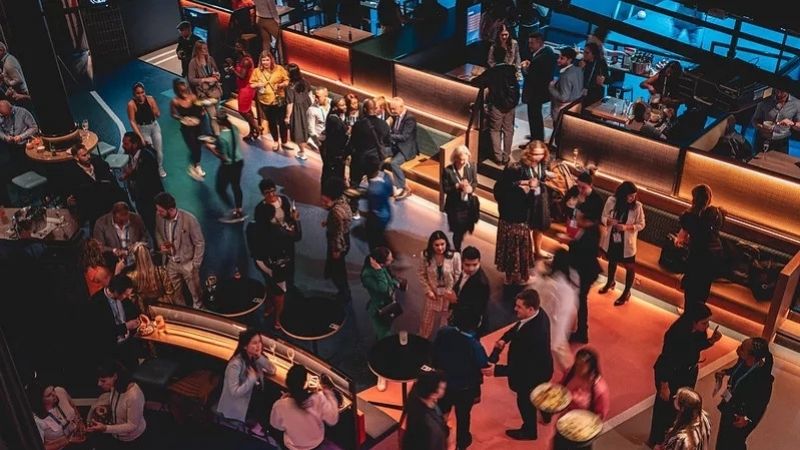
Clear brand idea
Every successful experience starts with one understandable idea.
Before choosing a venue, stage design, entertainment, or technology, the team should establish what the experience needs to communicate. Is the brand about discovery, craftsmanship, sustainability, performance, relaxation, innovation, or community?
A clear idea acts as a filter. If an activity looks spectacular but has no meaningful connection to the brand, it becomes decoration rather than marketing.
For Bali events, the idea should also consider the destination intelligently. A tropical setting, for instance, may support a wellness or outdoor concept, but simply adding palm leaves and bamboo does not automatically make activation authentic.
Audience participation
Give visitors a reason to become participants rather than spectators.
Participation can range from product demonstrations and guided workshops to games, tastings, creative stations, challenges, and collaborative activities. The appropriate level depends on the audience and objective.
The activity should also be easy to understand. Complicated instructions, long queues, or unclear rewards can turn an otherwise attractive activation into a frustrating experience.
Sensory environment
Experiences are physical. Lighting, sound, texture, scent, temperature, food, movement, and spatial design can all influence how guests perceive an environment.
The important point is coordination. Bali gives event designers many environmental possibilities, from beachfront venues and resorts to creative spaces and urban locations. The challenge is selecting sensory elements that reinforce the brand rather than competing with the surroundings.
Shareable moments
Social content should be considered during the design stage, not added after production is complete.
A shareable moment might be an unusual installation, a personalized result, a visually distinctive entrance, or a short interactive performance.
The strongest opportunities usually emerge naturally from the experience itself. If guests genuinely want to photograph or discuss something, the resulting content is more meaningful than a forced photo wall.
Human interaction
Technology can make activation interesting, but people often make it memorable.
Trained hosts, product specialists, performers, facilitators, and customer-service teams can explain activities, answer questions, manage expectations, and respond to unexpected situations.
This is especially relevant in Bali, where events can bring together local communities, domestic visitors, international travelers, corporate guests, and VIPs. Staff need to understand not only the event schedule but also the brand's tone and guest-service standards.
Post-event continuity
The experience should not necessarily end when guests leave the venue.
Brands can continue the relationship through follow-up emails, personalized offers, social content, product information, surveys, community invitations, or digital experiences. Leads collected during the event should also enter an appropriate follow-up process rather than sitting unused in a spreadsheet.
The event is one touchpoint within a larger customer journey, not an isolated marketing exercise.
Experiential Marketing Formats That Work in Bali
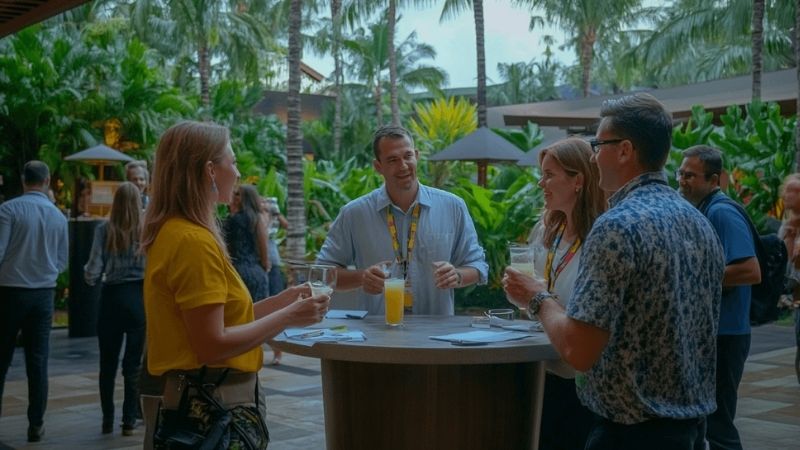
Bali can support different experiential formats depending on audience, budget, location, and brand objective.
Pop-up experience: A temporary branded environment can introduce a product or concept in a high-traffic area. It works particularly well when visitors can complete an activity rather than simply browse.
Immersive launch: Product launches can turn announcements into journeys, using spatial design, demonstrations, storytelling, entertainment, and controlled reveals.
Hospitality experience: Hotels, resorts, villas, and restaurants can become part of the activation. This format is particularly suitable for premium, travel, lifestyle, food, beverage, and wellness brands.
Interactive installation: Large-scale or technology-supported installations can attract attention while encouraging visitors to interact with a brand message.
Community activation: Workshops, sports activities, environmental programs, and cultural collaborations can create participation around a shared interest rather than a straightforward sales pitch.
VIP/customer experience: Smaller events can focus on personalization, exclusivity, product education, relationship building, and service. This may be more appropriate than a large public activation for luxury or B2B brands.
There are already practical examples of this range in Bali. In 2026, Digimap's Imaginaria Run combined a 5K community activity with an Apple Watch experience zone at its Bali store, connecting wellness, community participation, and product interaction. The organizer reported 200 participants and described the event as a transition from an outdoor activity into an in-store brand experience.
Another useful example comes from the hospitality sector. The 2023 Flight Centre Travel Group Global Gathering at Grand Hyatt Bali brought approximately 2,000 global partners together across a multi-zone experiential corporate event, incorporating numerous interactive concepts and partner activations.
These examples illustrate an important principle: experiential marketing does not have one fixed format. The format should follow the audience and the brand objective.
From Brand Message to Guest Journey
An experiential event becomes easier to manage when the experience is mapped as a journey rather than a collection of production elements.
Arrival - discovery - interaction - peak moment - sharing - departure
At arrival, guests should understand where to go and what is happening without unnecessary friction. The discovery stage introduces the brand concept and creates curiosity.
During interaction, visitors actively engage with the product, people, environment, or story. The peak moment is the part of the journey that should feel most distinctive; perhaps a reveal, demonstration, performance, personalized result, or shared activity.
The sharing stage provides opportunities for guests to capture or discuss the experience. Finally, departure should leave them with a clear takeaway and, where appropriate, a next step.
Teams such as
Alpha Seven Asia can connect creative direction, production, and on-ground execution into one coherent guest experience.
This integrated approach matters because creative ideas and operational details affect one another. A spectacular concept may fail if the venue cannot support its technical requirements, while a beautiful venue may contribute little if the guest journey has not been properly planned.
How to Evaluate Whether the Experience Worked
Experiential marketing needs measurement, but the measurement should reflect the event's actual purpose.
Useful indicators can include:
Participation: How many eligible guests joined the core activity?
Dwell time: How long did visitors meaningfully remain within the experience?
Leads: How many qualified contacts or business opportunities were generated?
Content generated: What volume and type of organic social content did visitors create?
Feedback: What did guests say about the experience, product, staff, and overall event?
Brand-specific KPIs: Did the event support the particular objective established before production?
For a product launch, meaningful metrics may include product trials, qualified leads, demonstrations completed, or follow-up requests. For community activation, participation quality and feedback may matter more than immediate sales.
Common Mistakes
One common mistake is designing the event around aesthetics before defining the brand message. Another is adding too many activities without considering guest flow, staffing, or waiting times.
Brands can also make the experience overly dependent on technology. A malfunctioning screen or interactive device should never be the only thing keeping the activation alive.
Other problems include weak staff training, unclear calls to action, poor weather planning for outdoor events, insufficient accessibility considerations, and collecting guest data without a clear follow-up strategy.
In Bali, teams should also consider venue restrictions, local logistics, weather conditions, transportation, supplier coordination, and the expectations of both international and domestic audiences.
Conclusion
The most effective experiential marketing events in Bali are not necessarily the biggest or most technologically advanced. They are the ones where brand purpose, guest participation, environment, service, and production work together.
Bali provides an unusually diverse setting for creating these experiences, but the destination should support the concept rather than become the concept. With careful planning and coordinated execution,
Alpha Seven Asia can help brands turn a marketing event into a coherent guest journey, one designed to be experienced, understood, and remembered.


