Events in Bali can be made even more authentic by incorporating local elements. However, you need to ensure that these elements are used in accordance with the rules and cultural traditions that are carefully preserved by the locals. More than just a library of event design themes, Bali is a living culture for your event.
Hosting an event in Bali requires respecting the locals, understanding the cultural context, and adhering to local rules. This way, your event can be more creative with a local approach while also honoring Balinese culture.
Start with Context, Not Aesthetics
Don’t start by, or focus too much on, aesthetics; don’t forget that the cultural context of Bali you’re drawing from is essential. You might be drawn to the visuals of temples, statues, or traditional Balinese fabric patterns and motifs, but understand their meaning first before incorporating them into your event. Determine how necessary these elements are for your event and whether they’re truly relevant.
An event may also aim to showcase the charm of Balinese culture beyond its internal objectives. Whatever cultural aspect is featured- traditional attire, performances, cuisine, or craftsmanship- understand its context first. Integrate that context into the event so that every component remains relevant and harmonious.
Understand the Difference Between Cultural, Ceremonial, and Sacred Elements
You must understand that cultural, ceremonial, and sacred elements are distinct, even though they may seem similar at first glance. Cultural elements are generally easier to incorporate into an event than sacred or ceremonial ones. Avoid elements such as spiritual practices, sacred symbols, or objects that are not commonly used according to local Balinese customs.
Don’t alter or modify a cultural element simply to achieve an “authentic” visual. Instead, consider the meaning of that element and its function for each participant. Those encountering it for the first time may be confused or grasp the meaning superficially, unlike locals, who understand it more deeply.
Planning an event in Bali requires a deep understanding of its culture. Limit or avoid using elements entirely if they are closely tied to spirituality, sacred symbols, or ceremonial practices. The safest approach is to consult with a partner who has a deep understanding of Balinese culture, regulations, and spirituality.
For example, do not use traditional Balinese music for a night party, nor should you use outfits featuring batik or other traditional motifs.
Areas Where Local Inspiration May Be Appropriate
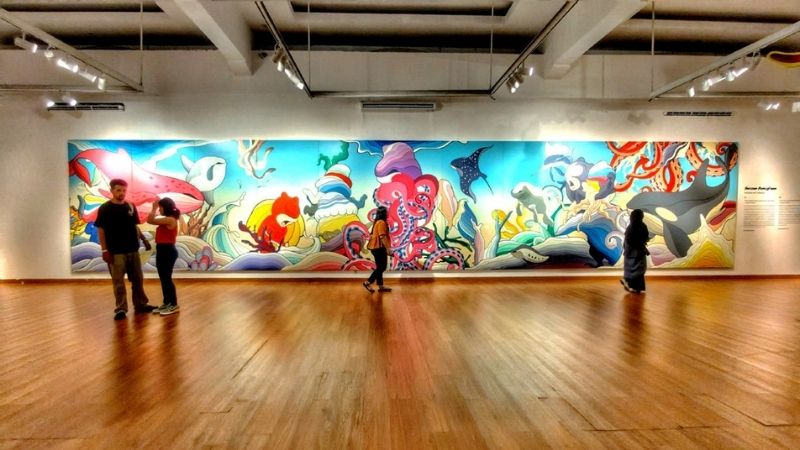
Not every part of your event is suitable for incorporating local elements. At the very least, local or cultural inspiration can be ideal for:
Craftsmanship
Craft sessions can educate participants about local arts. Participants can learn how to create batik patterns, woodcrafts, handmade jewelry, woven fabrics, and even tableware. Beyond just activities, Balinese craftsmanship can be incorporated into decorations, souvenirs, or furniture.
Locally Sourced Materials
To make it even more authentic, use materials sourced locally. Materials unique to Bali include bamboo, teak wood, pottery, and natural stone. If you want to use these materials for decoration, make sure to coordinate them with the venue and the event’s main concept.
Performances
Bali offers stunning traditional performances such as the Fire Dance, Barong Dance, and Kecak Dance. You can incorporate one or more of these traditional shows into your event. Combine them with other performances to create an overall show that aligns with current trends.
Find out about specific traditional music that may not be permitted to be played at times other than celebrations or ceremonies.
Food/Hospitality
Serve local dishes to offer attendees a new culinary experience. Welcome attendees with Balinese hospitality, such as a traditional welcome drink, warm hospitality in the style of local Balinese people, and Kebaya or Batik attire. Don’t forget to select local dishes based on attendees’ preferences; dishes like Sate Plecing, Sambal Matah, and Ayam Betutu might be too spicy for some.
Visual Language
Incorporate Bali’s charm into the visual concept: temples, waterfalls, beaches, volcanoes, and monuments. Remember to respect and adhere to rules regarding sacred elements; avoid those with specific symbols or elements, such as the faces of Hindu deities.
Storytelling
Create a harmonious narrative that explains the flow of your event based on Balinese culture. In-depth storytelling can provide an authentic narrative while educating participants about the local elements present in the event. Examples include explaining the origins of Ayam Betutu, the history of a temple, or folk tales about specific places like “Lake Batur.”
Work With Local Practitioners and Communities
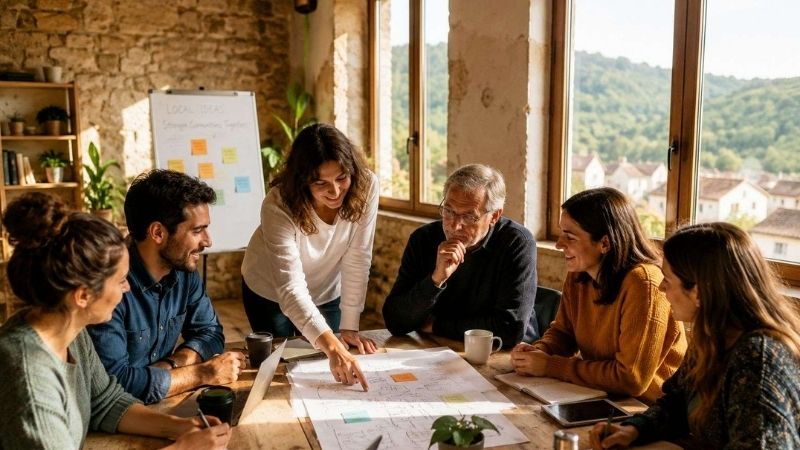
Want to host a truly Balinese event? You need to work with those who are more familiar with Bali. These can include practitioners, influencers, or even locals. Ask locals about common taboos when organizing events.
This can prevent your event from being shut down midway. Prepare performances with the help of those who truly understand Balinese art. Local practitioners already know how cultural performances should be staged, providing the best entertainment while still respecting the culture.
There are at least two key focuses if you want to fill your event with activities or performances: the participants’ experience and respect for the culture. Make sure you consult with those who are familiar with Balinese culture, not those who lack experience with it.
Working with partners who have a deep understanding of Bali can help you avoid risks while effectively delivering solutions. They are accustomed to tailoring cultural approaches to create optimal events that meet client expectations. Don’t settle for just world-class event standards with state-of-the-art equipment and a skilled team.
If you plan to host an event in Bali, take advantage of the island’s cultural charm, but keep in mind that it requires specialized management. Your team must be familiar with local customs; involve them in the planning process as needed. Discussing your plans with partners who are familiar with Bali’s event environment or ecosystem can lead to wiser, lower-risk decisions.
What Event Planners Should Avoid
Ensuring low risk is often crucial when organizing an event, especially regarding issues that are particularly sensitive to Balinese culture. Knowing which elements are more sensitive within Balinese culture can at least help ensure the event runs smoothly.
- Sacred imagery as random decoration: Are there any Balinese elements that you feel fit perfectly with your event’s concept? Find out whether they are considered sacred in Bali before using them as decorations. Avoid using them if they aren’t necessary.
- Inaccurate symbolism: Whenever you mention a symbol representing Bali, first verify its usage, meaning, and other details. Avoid misrepresenting Balinese symbols, especially those that are sacred and tied to spiritual elements.
- Costume-like treatment: Bali has traditional attire, just like any other country. Avoid using it as a costume for a show, especially for modern-themed events or those that do not reflect Balinese culture itself. Use traditional Balinese attire only for cultural purposes: warm welcomes, prayer sessions for the event’s success, or mini-workshops.
- Tokenism: Don’t label an event “Balinese Canvas,” “Balinese Heritage,” or “Balinese Harmony” just because it includes one or two Balinese elements. This makes Bali seem less special, as it appears merely as an accessory or afterthought.
- Assumptions about ceremonies: Ceremonies in Bali are often sacred; avoid using ceremonial contexts in your events. There are strict rules to follow for Balinese ceremonies, and these may include restrictions on who is permitted to participate.
- Using cultural elements without understanding: Yes, this may not be permitted according to Balinese culture and beliefs. So, make sure to educate participants about these elements so they understand them before discussing, using, or sharing them.
Creating a Contemporary Event With a Sense of Place
One concern when organizing an event that’s authentic to Bali is that it might come across as too traditional. You need to rely on an event organizer experienced in contemporary concepts that incorporate a “sense of place.” What does “sense of place” mean?
It means an event that captures Bali’s unique character to make it more emotional, distinctive, and vibrant. Attendees can experience Bali’s identity more deeply through connections, architecture, music, and nature. Professional events, such as corporate events in Bali, can still embody a “sense of place” even while prioritizing production value and branding.
This can be achieved through the selection of high-quality local materials, world-class hospitality, cuisine with the finest flavors, and premium collaborations. You can
learn more about our approach to creating events in Bali while keeping the event’s brand, audience, and local context in mind.
Conclusion
Incorporating Balinese elements into your event must be guided by meaning, function, and respect. Participants need to understand the context of these elements, whether they are ceremonial, spiritual, or traditional. Ensure their function is relevant to the event: do you want to introduce the culture? Does it align with branding that highlights cultural richness?
Avoid risks when incorporating Balinese culture by working with professionals who are familiar with it. Bring in practitioners if necessary to host seminars, workshops, or craft sessions related to Balinese culture. Even when incorporating Balinese elements, an event can still be contemporary or modern.
The key is to harmonize the event’s original vision with a creative approach to Balinese culture. Use cutting-edge technology to deliver presentations; present strong cultural elements while maintaining respect and conveying precise, nuanced meanings.


