Choosing a destination for a corporate event involves more than just finding an appealing location. Companies must consider travel accessibility, venue options, accommodation, the attendee experience, production requirements, and ease of mobility throughout the event.
Bali is a top choice for many companies, as it offers everything needed within a single destination.
With its diverse event settings, well-developed hospitality infrastructure, international appeal, and the opportunity to blend business agendas with unique experiences, Bali offers the flexibility to accommodate a wide range of corporate event formats.
What Is a Destination Corporate Event?
A destination corporate event is one held outside the company's usual operational base or home city, requiring participants to travel to a specific location to take part in a planned agenda.
Unlike meetings held at the office or a local venue, destination events typically encompass a wider range of elements, such as accommodation, transportation, activities, dining, and entertainment, integrated with the business agenda into a cohesive program.
Formats vary widely, ranging from small-group meetings to conferences, incentive programs, product launches, gala dinners, and team gatherings. In this concept, the destination serves not merely as the event venue but as an integral part of the overall participant experience.
Why Companies Consider Bali
Bali offers a combination of physical settings, hospitality infrastructure, leisure opportunities, and creative potential that can support different corporate event requirements. Its suitability, however, depends on how well these characteristics align with the event objectives.
Range of Event Environments
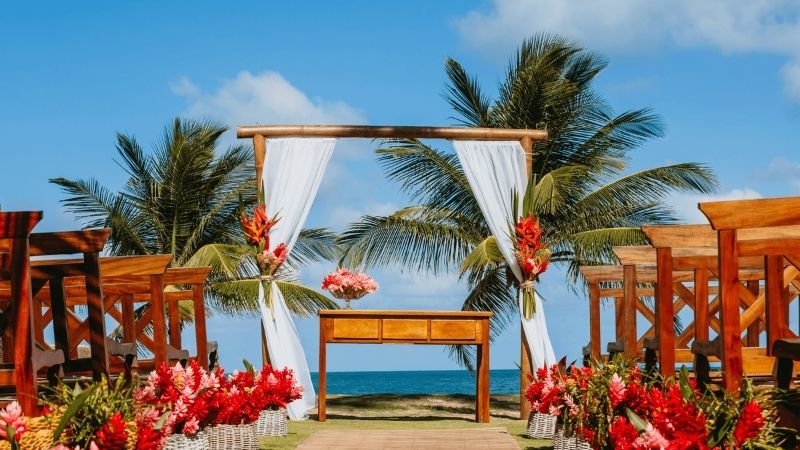
One of Bali's practical advantages is the wide range of settings available for corporate events. Companies can consider hotels, resorts, conference venues, private villas, restaurants, open-air spaces, beachfront areas, and even locations with distinct cultural character.
This variety allows event planners to match the venue to the event's objectives. A leadership meeting, for instance, might require a quieter, more private setting, whereas a brand event might call for a location with a strong visual identity.
Incentive programs can also utilize multiple locations to create a more dynamic experience.
Hospitality Infrastructure
Corporate events depend heavily on accommodation and guest services. Bali has a substantial hospitality sector, including international hotels, resorts, boutique properties, and villas across several areas of the island.
For planners, this can create options across different event scales and budgets. Accommodation can also be integrated with meeting spaces, dining services, networking sessions, and leisure activities, potentially reducing the number of transfers required during an event.
The key is to evaluate properties based on the actual needs of the group. Room inventory, meeting capacity, check-in arrangements, accessibility, service standards, transport access, and proximity between accommodation and event venues can have a direct impact on the guest experience.
Combination of Business and Experience
Destination corporate events often aim to achieve more than business objectives. Companies may want Corporate events held at specific destinations to serve broader objectives than merely hosting a meeting. Companies may aim to strengthen employee relationships, facilitate networking, provide recognition, or create unique experiences for participants.
Bali offers the opportunity to blend business agendas with a variety of experiences, ranging from culinary, cultural, and wellness activities to nature excursions and recreational pursuits.
For instance, a conference might be complemented by a local dining experience following the main sessions, while an incentive program could combine business components with shared activities that foster interaction among participants.
Creative Possibilities
The destination can also influence the visual and experiential direction of an event. Bali's natural landscapes, architectural styles, local materials, cultural elements, and diverse hospitality spaces provide different possibilities for event design.
A brand event might use the character of a venue to strengthen its visual identity, while a gala could incorporate local influences into its food, entertainment, décor, or guest journey.
However, creative ideas need to be tested against practical requirements. An impressive concept may become difficult if the venue has restricted access, limited setup time, inadequate technical infrastructure, or strict regulations regarding production.
International Appeal
Bali has long been recognized as a destination with a thriving international tourism market, attracting international companies to host events there.
The local hospitality sector, accustomed to welcoming international guests, is well-equipped to meet the needs of diverse groups regarding accommodation, dining, transportation, and activities.
Companies still need to consider flight schedules, travel connections, visa requirements (where applicable), local transportation, and the specific needs of participants based on their respective countries of origin.
Corporate Event Types Well Suited to Bali
Different corporate formats can benefit from Bali when the destination supports the event's practical and strategic objectives.
- Conference: Bali can provide a combination of meeting facilities, accommodation, dining, and networking spaces. This makes it possible to structure formal sessions alongside informal interactions and optional experiences.
- Incentive: Incentive programs can leverage the diverse recreational and cultural activities offered by the destination. These programs can be designed to focus on shared experiences, rather than relying solely on conventional meetings.
- Leadership Meeting: Smaller executive or leadership groups may benefit from private environments that encourage focused discussions. Villas, resorts, and dedicated meeting spaces can offer different levels of privacy depending on requirements.
- Brand Event: Product launches, media gatherings, and brand activations can use distinctive venues and local characteristics to create an event environment that supports the brand story. Production feasibility should remain a priority during venue selection.
- Gala: A gala can combine dining, entertainment, awards, and networking in a setting selected specifically for the desired atmosphere. Outdoor and hospitality venues can offer different approaches to the guest experience.
- Team Gathering: Bali is an ideal location for team meetings that combine strategic sessions with activities designed to foster interaction. The program should strike a balance between structured business content and ample free time.
Bali Is Not Automatically the Right Choice
Despite its advantages, Bali should not be selected simply because it is a popular destination. A successful corporate event depends on whether the destination can accommodate the specific requirements of the group.
Travel complexity should be assessed from the beginning. International and domestic attendees may have different flight schedules, connection times, visa requirements, and arrival arrangements. A destination that looks convenient on paper may create difficulties for a group arriving from multiple cities.
Weather is another consideration, particularly for programs involving outdoor locations. Rain can affect schedules, guest comfort, equipment, and production plans. Backup spaces and contingency arrangements are therefore important.
Guest mobility can also become challenging when activities and venues are spread across different parts of the island.
Venue limitations may affect capacity, privacy, operating hours, sound levels, or technical installations. Meanwhile, production logistics can become more complicated when staging, lighting, audio, branding, or other equipment requires careful coordination with venues and local suppliers.
These factors do not make Bali unsuitable. They simply mean that destination selection should be based on operational assessment as well as visual appeal.
Why Local Execution Matters
Planning a corporate event in another destination requires knowledge that may not be obvious from venue websites or standard supplier lists. Local execution can help planners understand how venues actually operate, how long transfers may take in realistic conditions, which suppliers are suitable for particular requirements, and what restrictions may affect production.
Local expertise is especially valuable when an event involves multiple locations. A venue may appear close on a map but require significant travel time at certain hours. Similarly, a technically suitable location may present challenges when equipment needs to be delivered, installed, tested, and removed within a restricted timeframe.
A
creative event company based in Bali can provide solutions for evaluating and selecting venues, as well as preparing production requirements, suppliers, and guest logistics.
This local perspective can also help connect creative planning with operational decisions. Instead of developing an event concept first and discovering limitations later, planners can consider the venue, suppliers, guest journey, technical requirements, and creative direction together.
Destination Event Planning Checklist
Before selecting Bali as a destination, the company can evaluate the following points:
- Define the event objective: Is the focus on business, networking, incentives, leadership alignment, celebration, or brand engagement?
- Map out the attendees: Where are they coming from, and what are their travel needs?
- Check venue capacity: Can the location accommodate the attendees, agenda, catering, staging, and technical requirements?
- Plan logistics and movement: Calculate realistic travel times between the airport, hotel, venue, and activity sites.
- Prepare a weather plan: Ensure indoor alternatives are available for outdoor programs.
- Evaluate production requirements: Check access, power supply, setup time, sound restrictions, equipment, and venue regulations.
- Design the guest experience: Ensure that additional activities align with the event's objectives.
- Build in buffer time: Allow extra time for arrivals, transfers, setup, rehearsals, and unexpected changes.
Conclusion
Bali works well for destination corporate events because it offers flexibility across venues, hospitality, experiences, and creative event design. It can support conferences, incentives, leadership meetings, brand events, galas, and team gatherings while allowing companies to create experiences beyond the traditional meeting format. Yet its value depends on proper planning.
Travel requirements, weather, mobility, venue conditions, and production logistics must be considered from the start. When creative ambition is matched with local operational knowledge, Bali can become more than a destination; it can become a practical part of the event strategy.


